By LEAP HR | July, 2026 | 3 Minute Read
Why Life Sciences HR Leaders Need Peer Benchmarking More Than Ever in 2026
There are certain moments when incremental improvements in isolation are no longer enough.
For many HR leaders across life sciences, 2026 feels like one of those moments.
The rules that guided workforce planning, talent acquisition, employee development, and organizational design over the past decade are being rewritten simultaneously. AI is reshaping work. Economic conditions remain unpredictable. Employee expectations continue to shift. The result - growth strategies are changing faster than organizations can execute them.
The challenge is no longer identifying change but keeping up with it. Additionally, in an AI saturated landscape, connecting with others and peer benchmarking has never been more valuable.
The Pace of Change Has Outrun Traditional Planning Cycles
Historically, HR leaders could build annual workforce plans with a reasonable degree of confidence. Today, many organizations are finding those plans obsolete within months.
As one leader from Spur Therapeutics noted: "Plans put in place at the start of the year are no longer viable even a few months later."
Across the industry, commercial pressures, funding uncertainty, shifting market conditions, and changing business priorities are forcing organizations to continually reassess workforce needs.
The Bio.News Life Sciences Workforce Collaborative's 2025 industry report found growth has slowed across parts of the sector, with organizations responding through targeted hiring, cost optimization, contractor utilization, and increased investment in workforce development. The challenge for HR leaders is not simply reacting to change - it is determining whether their response is the right one.
Without external benchmarks, that becomes increasingly difficult.
AI Is Creating Questions Faster Than Organizations Can Answer Them
Few topics have generated more discussion or uncertainty than artificial intelligence.
Organizations are navigating questions including:
- Which tasks should be automated?
- How will AI change workforce requirements?
- What skills will become critical?
- How should job architectures evolve?
- What governance models are appropriate?
- How should employee concerns be addressed?
At the same time, HR teams are expected to implement policies, create ethical guardrails, evaluate technologies, and identify practical use cases.
The challenge is that no playbook exists and the waters we as an industry find ourselves in are about as uncharted as ever.
Deloitte's 2026 Human Capital Trends report points to AI-driven workforce transformation as one of the defining forces reshaping organizations, while emphasizing the increasing need for adaptability and new operating models.
Many leaders are discovering that vendor demonstrations and consultant frameworks only go so far. What they need are examples from peers facing similar challenges. They need to know what is working, what isn't, what mistakes to avoid, and what measurable outcomes have actually been achieved.
Employee Expectations Continue to Evolve
Even as economic uncertainty reshapes hiring plans, employee expectations continue to rise.
Employees increasingly expect:
- Career growth opportunities
- Meaningful development
- Leadership transparency
- Competitive flexibility
- Strong workplace culture
- Clear organizational purpose
At the same time, life sciences organizations are often being asked to achieve more with tighter budgets and leaner teams adding significant pressure on employee retention and engagement strategies.
LinkedIn's Workplace Learning research found that career development remains the number one reason employees engage with learning opportunities and that organizations investing in career growth consistently outperform peers in talent attraction and retention.
The question facing many HR leaders is simple: How do you maintain engagement when expectations are rising faster than available resources?
Again, the answer often lies in learning from peers navigating the same challenges.
Some Organizations Are Contracting While Others Are Scaling
One of the defining characteristics of the life sciences market in 2026 is that there is no single "industry experience." Some organizations are focused on efficiency and restructuring. Others are entering aggressive growth phases.
CBRE's U.S. Life Sciences Talent Trends report notes that industry employment reached record levels in early 2025 despite broader industry and macro-economic challenges, highlighting the uneven nature of workforce demand across the sector.
For growing organizations, securing specialized scientific and technical talent remains a major challenge. For organizations managing uncertainty, workforce planning and retention have become top priorities.
Despite their differences, both groups face the same fundamental question: How are other life sciences companies solving these problems?
The Cost of Isolation Has Never Been Higher
In stable environments, organizations can afford to learn primarily through internal experimentation. In volatile environments, that becomes far riskier.
Leaders who operate without external benchmarks face difficult questions:
- Are we adopting AI too quickly or too slowly?
- Are our workforce plans realistic?
- Is our employee value proposition competitive?
- Are our organizational structures fit for the future?
- How are peer organizations responding to similar pressures?
The faster the market changes, the more important these comparisons become. Peer insight reduces risk, it shortens learning curves, and it helps organizations avoid expensive mistakes.
Why Coming Together as a Community Matters Right Now
The life sciences industry is entering a period where people strategy is increasingly becoming business strategy.
Organizations need practical answers, not theoretical frameworks. They need real-world case studies, honest conversations, and actionable insights from leaders facing the same pressures.
Most importantly, they need a trusted environment to connect, discuss, and compare notes with peers navigating AI transformation, workforce volatility, skills disruption, retention challenges, and growth pressures simultaneously.
Because the defining question of 2026 is not whether change is happening - it's whether organizations are learning quickly enough to keep up.
And there has never been a more important time for life sciences HR leaders to learn from one another.
Deloitte – Global Human Capital Trends: https://www.deloitte.com/us/en/insights/topics/talent/human-capital-trends.html
Bio.News – Life Sciences job report shows growth slowing, but firms still invest in talent: https://bio.news/state-policy/new-report-show-job-growth-slowing-but-companies-still-investing-in-talent/
LinkedIn – Workplace Learning Report 2025: https://business.linkedin.com/learn/resources/workplace-learning-report
CBRE – U.S. Life Sciences Talent Trends 2025: https://www.cbre.com/insights/reports/us-life-sciences-talent-trends-2025
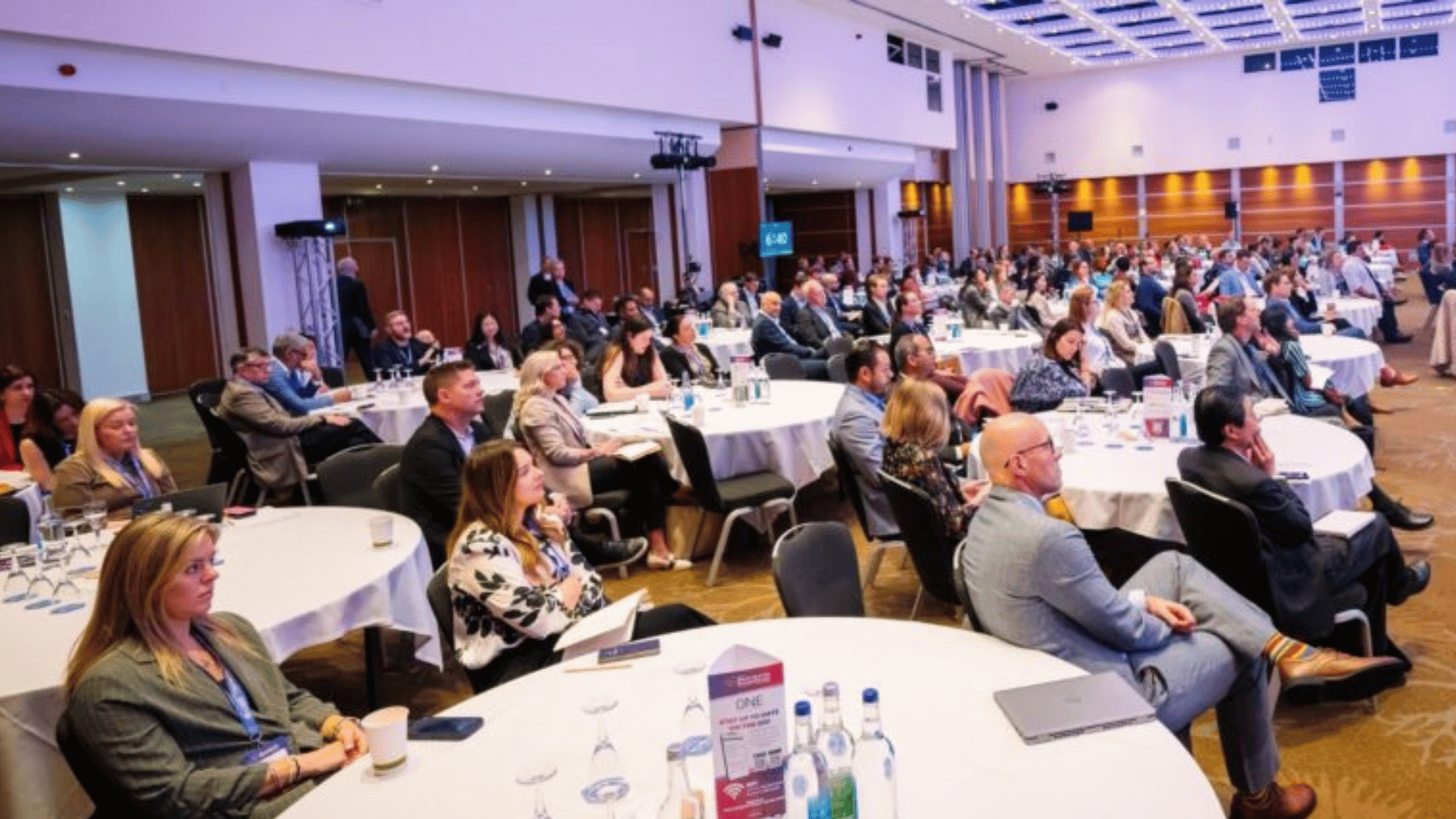
Explore The 2026 Agenda
Hear real-world breakthroughs from the most senior biopharma people leaders across dedicated tracks of content for HR, TA, and L&D.
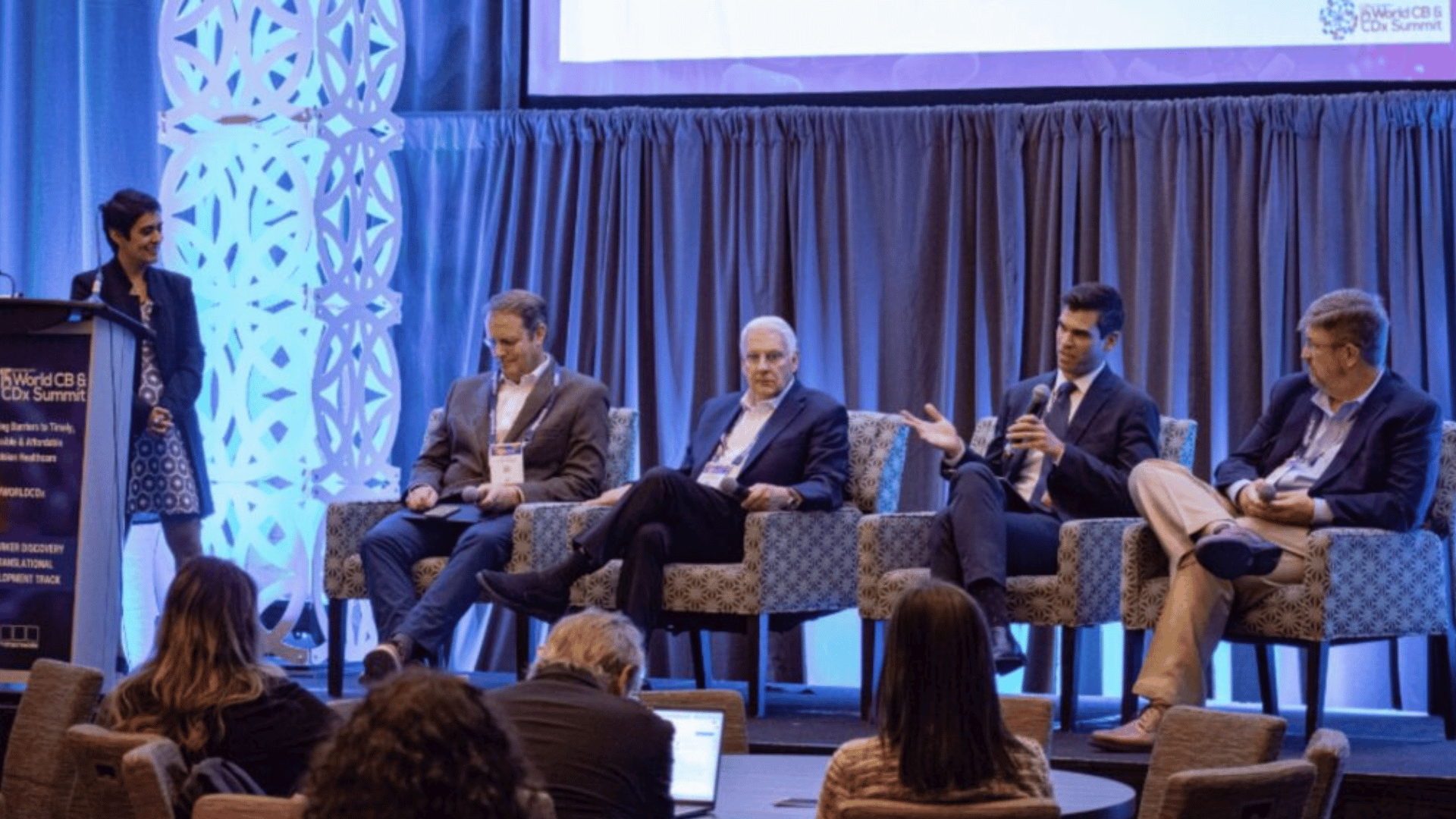
Partner With Us
Position your brand and services at the heart of the most innovative biopharma people leaders and 200+ VP-level decision-makers.
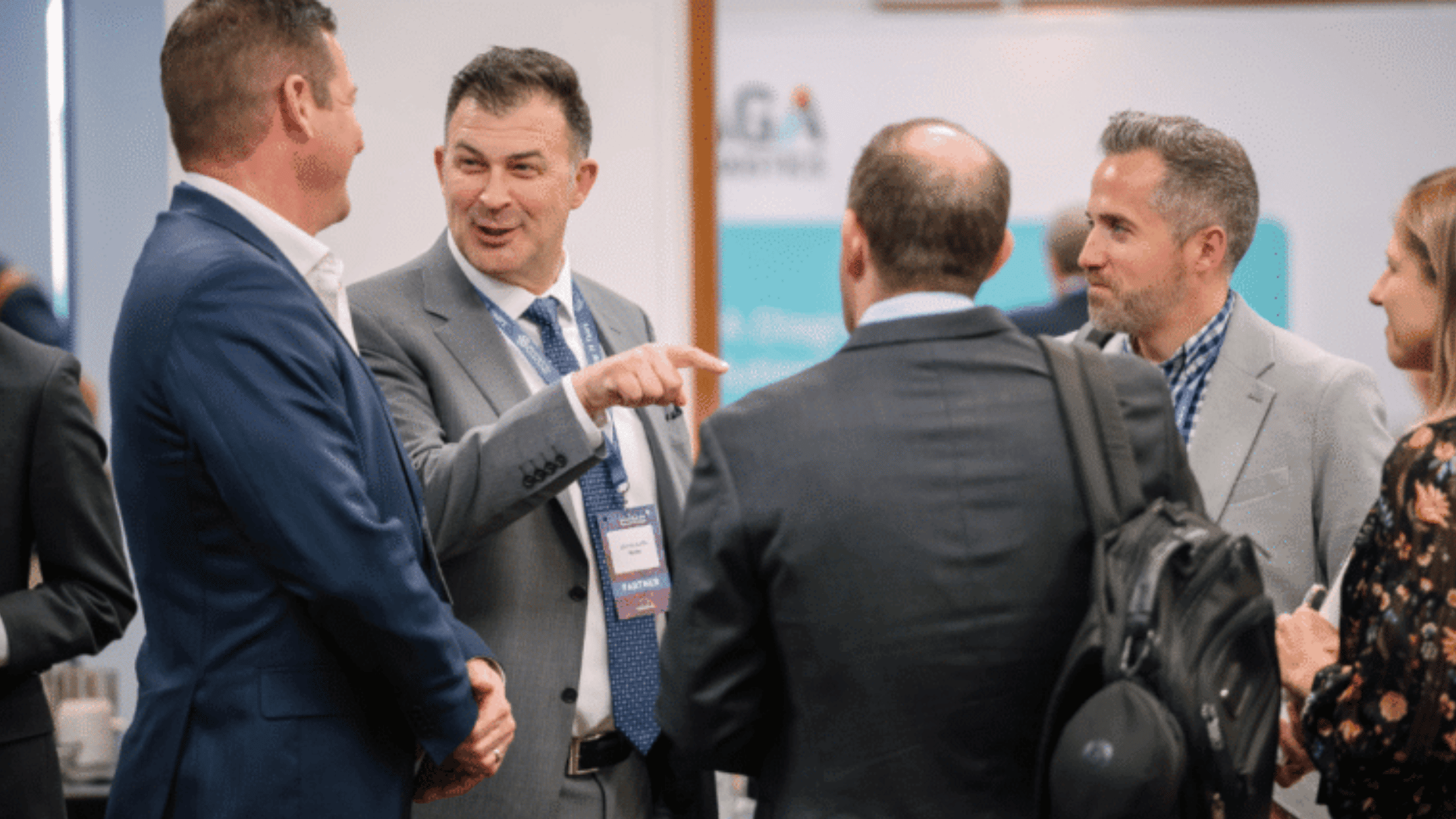
Join Your Peers
Be part of the most anticipated people and talent gathering in life sciences to build a resilient, integrated people strategy, and network that stays with you long-term.