By LEAP HR | August, 2026 | 4 Minute Read
From Talent Acquisition to Development: Why 2026 Demands Greater Synergy Across People Functions
For years, TA, HR, and L&D have operated as distinct functions with separate objectives, metrics, and priorities. TA focused on hiring. HR focused on employee relations, culture, and compliance. L&D focused on capability building and career growth.
In 2026, that separation is becoming increasingly disadvantageous and difficult to maintain.
As life sciences organizations face AI disruption, economic uncertainty, evolving workforce expectations, and ongoing skills shortages, the challenges confronting people leaders are no longer isolated to a single function. Those that continue to manage hiring, development, retention, workforce planning, and organizational change independently risk moving too slowly in a market that is changing faster than annual planning cycles can accommodate.
Today, the most pressing workforce challenges require a coordinated response across the entire people ecosystem.
The Boundaries Between HR, TA, and L&D Are Disappearing
This trend is already emerging across industries.
Deloitte's 2026 Human Capital Trends research highlights the rise of "boundaryless HR" and questions whether traditional organizational functions remain fit for purpose in an environment requiring greater agility and cross-functional collaboration. Deloitte found that seven in ten business leaders now identify speed and adaptability as their primary competitive strategy, forcing organizations to rethink how people, skills, and work are managed across functional boundaries.
At the same time, LinkedIn's 2025 Workplace Learning Report found that nearly half (49%) of learning and talent development professionals say executives are concerned employees do not have the skills needed to execute business strategy. The report also found that organizations that prioritize career development significantly outperform peers in attracting, retaining, and preparing talent for emerging technologies such as AI.
The message is clear: skills, hiring, workforce planning, and employee development can no longer be managed separately.
When hiring decisions directly influence future skills gaps, and learning strategies directly impact retention, internal mobility, and workforce readiness, every aspect of the people function becomes interconnected and achieves superior results to acting independently.
HR Leaders Are Inheriting Expanding Responsibilities
For many life sciences organizations, this shift is already happening by necessity.
Shrinking teams and budget pressures mean many people leaders are now responsible for areas that historically sat within dedicated Talent Acquisition or Talent Development functions. Rather than overseeing a single discipline, people leaders are increasingly being asked to manage:
- Workforce planning
- Talent acquisition
- Learning and development
- Employee engagement
- Organizational design
- Change management
- Culture
- Compliance
The result is a dramatically broader remit with little increase (occasionally even decreases) in available resources.
The challenge is no longer whether HR, TA, and L&D should collaborate. The challenge is how leaders can effectively integrate these functions while continuing to deliver results.
AI Is Accelerating the Need for Collaboration
No issue illustrates this better than artificial intelligence.
AI is simultaneously changing hiring, learning, workforce planning, job architecture, employee experience, and organizational design. Talent Acquisition teams are exploring AI-assisted sourcing and screening. Learning teams are evaluating how AI can enable personalized learning and rapid skill development. HR leaders are grappling with governance, policy creation, ethical frameworks, employee concerns, and workforce redesign.
Yet none of these issues can be address effectively at speed when operating in isolation.
A decision about AI-enabled hiring influences future development needs. Changes to role design affect recruitment criteria. New skills requirements influence both workforce planning and learning investment.
As one HR leader from Innoviva Therapeutics said to us when putting the 2026 agenda together: "We reached out to consultants to understand how HR is utilizing AI… but it was too high-level. We needed more hands-on guidance."
Meanwhile, leaders are searching for practical, implementable examples rather than theoretical frameworks. As a people leader from MiMedx observed: "We need someone to talk about how they applied it, got sued or didn't get sued…"
In an environment where strategies are evolving daily rather than monthly, quarterly, or annually, organizations need integrated decision-making across people functions if they hope to keep pace and continue to deliver operational excellence.
Skills Have Become the New Common Currency
Traditionally, TA measured hires, L&D measured training participation, and HR measured engagement and retention.
Increasingly, all three functions are being measured against a common objective: skills readiness.
The life sciences sector is facing simultaneous workforce challenges. While some organizations are slowing hiring due to economic pressures, others are entering significant growth phases and competing aggressively for highly specialized scientific talent. Industry workforce reports show employers are increasingly investing in upskilling, reskilling, and internal development alongside strategic hiring efforts.
This creates a new reality where organizations cannot simply hire their way out of skills shortages – the resources to do this and the clear ROI of this singular approach simply don’t exist in today’s operating environment.
Success increasingly depends on:
- Hiring for future capability
- Developing critical skills internally
- Identifying transferable skills
- Creating internal mobility pathways
- Aligning workforce planning with business strategy
No single people function owns this challenge alone.
Better Alignment Creates Better Business Outcomes
Organizations that create stronger alignment between HR, TA, and L&D gain significant advantages.
They can:
- Forecast talent needs more accurately
- Build more resilient talent pipelines
- Reduce dependence on expensive external hiring
- Adapt more quickly to market changes
- Improve employee retention and engagement
- Accelerate AI readiness
- Support organizational growth more effectively
Most importantly, they create a workforce strategy that reflects how work actually happens today: across functions, across disciplines, and across rapidly changing business priorities.
The Future of People Leadership Is Integrated
The workforce challenges facing life sciences organizations in 2026 are too interconnected to solve in silos.
AI adoption influences hiring. Hiring influences learning. Learning influences retention. Retention influences organizational performance. The strongest organizations will not be those with the best HR strategy, the best TA strategy, or the best L&D strategy independently. They will be those that bring all three together and have the best people strategy.
In a year defined by uncertainty, skills disruption, and economic volatility, competitive advantage increasingly belongs to organizations that view workforce strategy as a shared responsibility rather than a collection of separate functions.
Deloitte – Global Human Capital Trends: https://www.deloitte.com/us/en/insights/topics/talent/human-capital-trends.html
LinkedIn – Workplace Learning Report 2025: https://business.linkedin.com/learn/resources/workplace-learning-report
Explore The 2026 Agenda
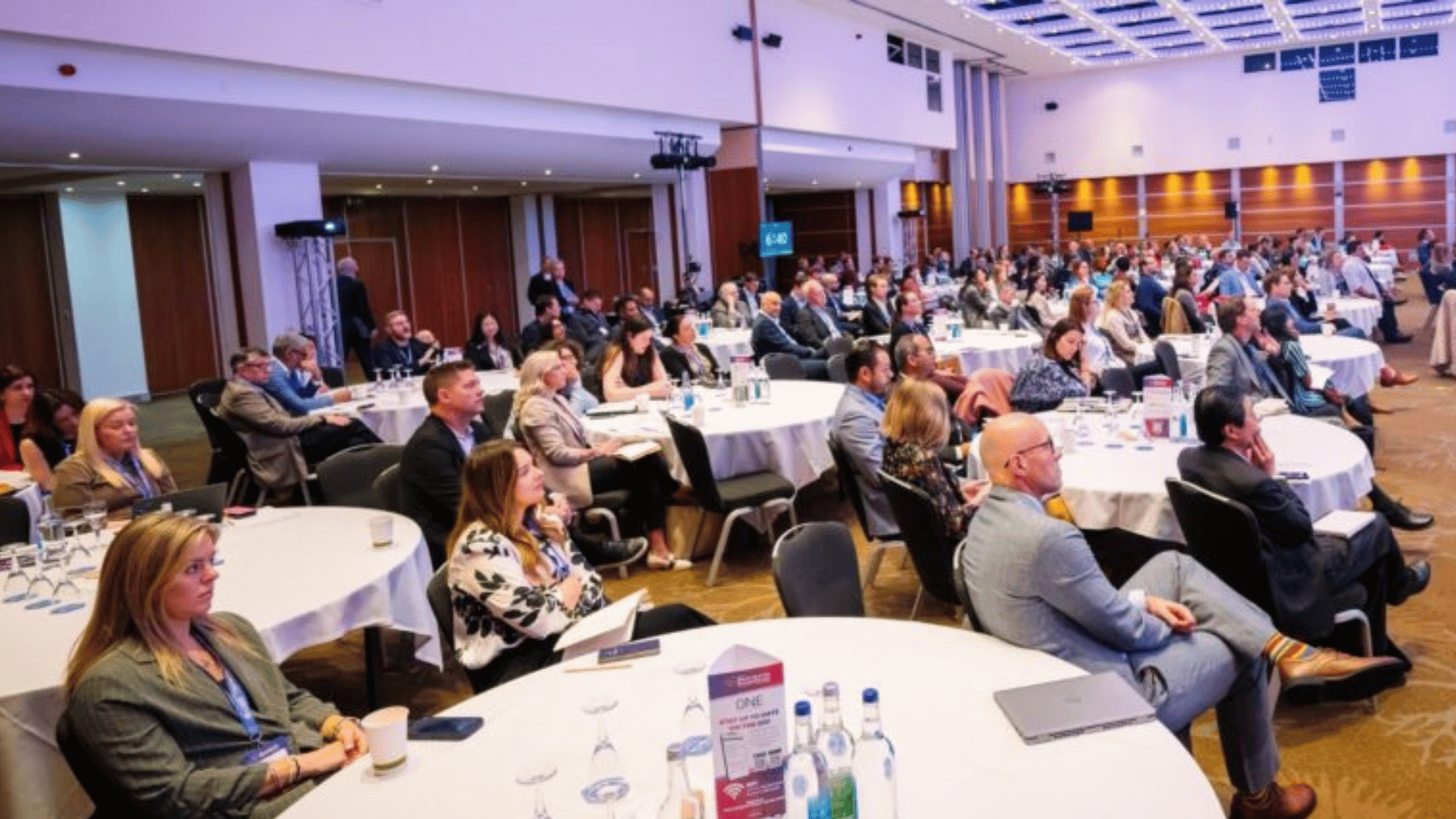
Hear real-world breakthroughs from the most senior biopharma people leaders across dedicated tracks of content for HR, TA, and L&D.
Partner With Us
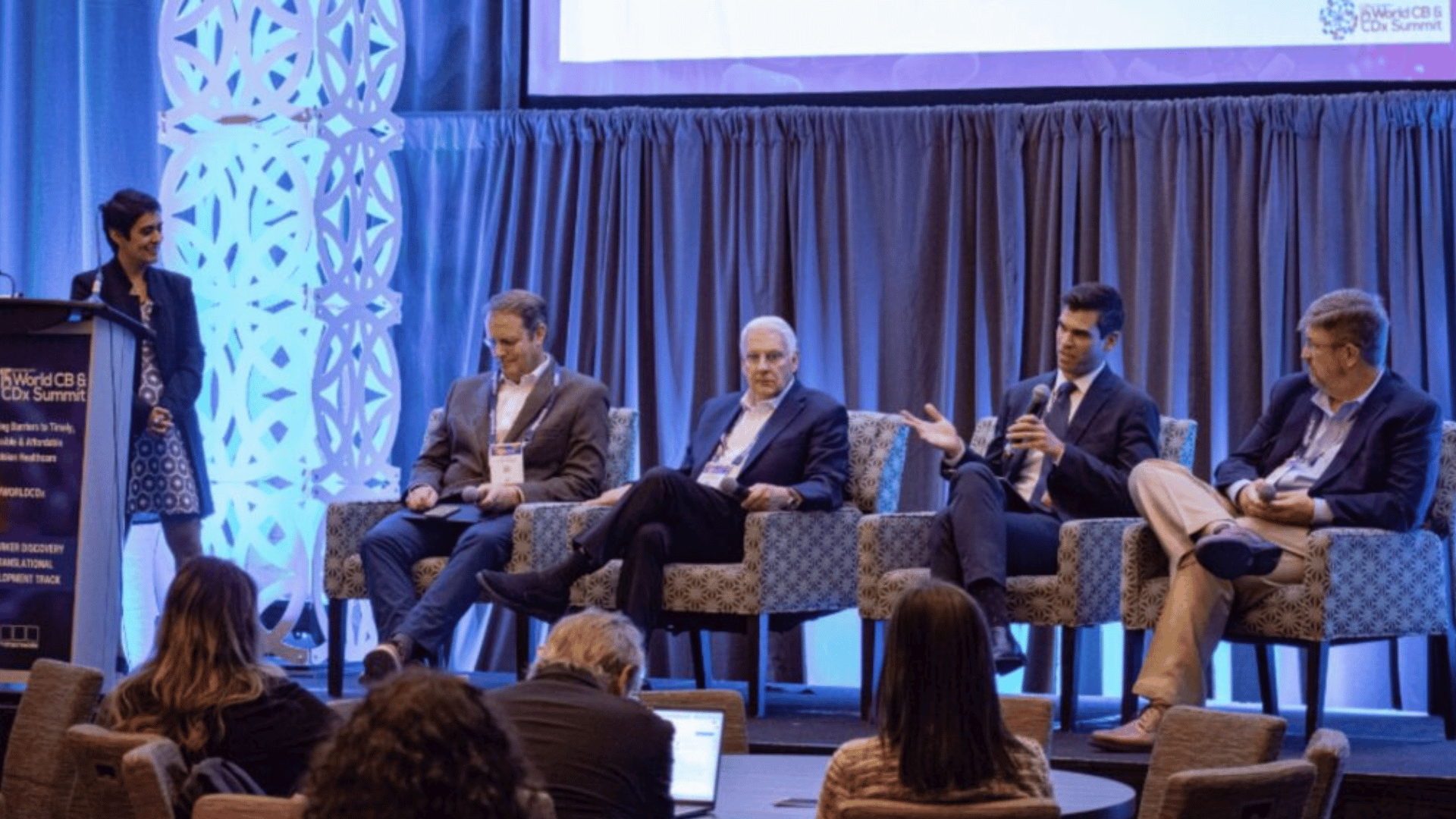
Position your brand and services at the heart of the most innovative biopharma people leaders and 200+ VP-level decision-makers.
Join Your Peers
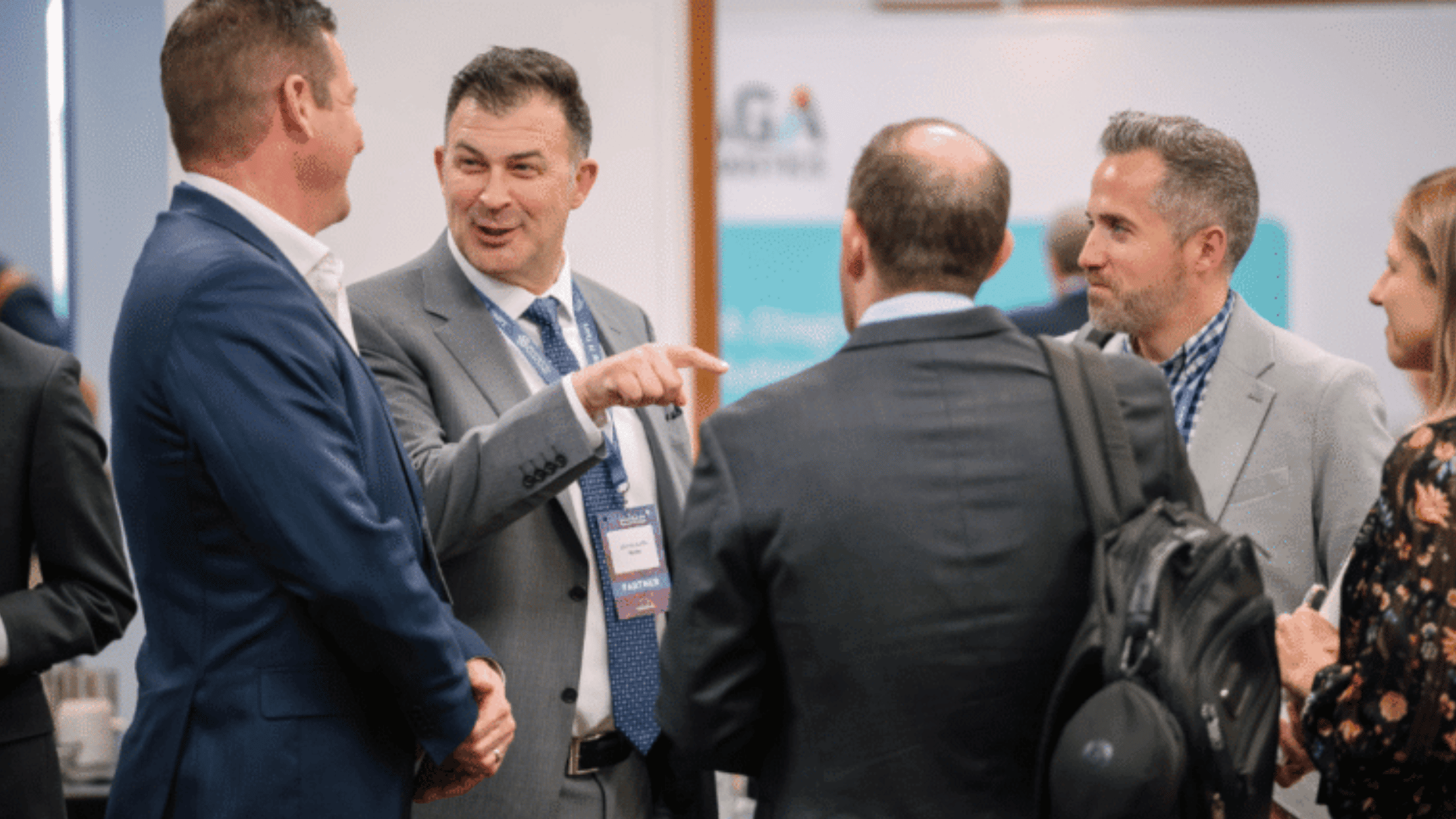
Be part of the most anticipated people and talent gathering in life sciences to build a resilient, integrated people strategy, and network that stays with you long-term.